

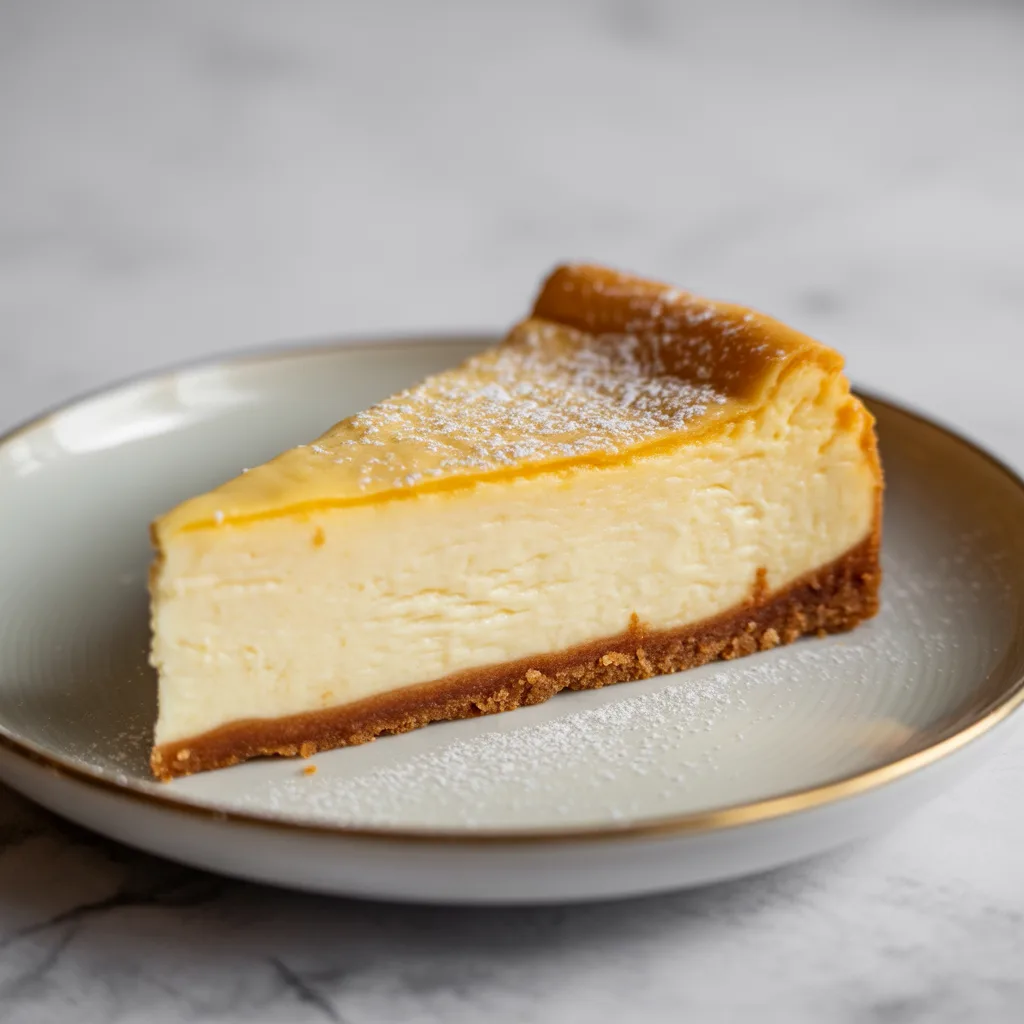
Is there anything more comforting than slicing into a creamy, dreamy cheesecake that you baked yourself? I don’t think so. This classic baked cheesecake with graham cracker crust has been my trusty companion for everything from potlucks to quiet weeknights when I need a sweet pick-me-up. It’s the kind of dessert that feels fancy but is totally approachable—no culinary degree required. Honestly, if you’ve ever been intimidated by cheesecake, this recipe will change your mind. We’re keeping it simple, with a focus on that timeless flavor and velvety texture we all crave. So, grab your springform pan, and let’s make some magic happen.
Why You’ll Love This
You’ll love this cheesecake because it’s the perfect balance of familiar and fabulous. The graham cracker crust is sweet and crunchy, providing a sturdy base for the lush, tangy filling that’s so, so smooth. It’s a dessert that’s incredibly forgiving—even if it cracks a little (which happens to the best of us), it still tastes incredible. Plus, it’s a blank canvas for your creativity. Top it with fresh fruit, a drizzle of chocolate, or enjoy it plain. And because it’s baked, it has that rich depth that no-bake versions just can’t match. So good.
Ingredients You’ll Need
- 1 1/2 cups graham cracker crumbs – for a classic, slightly sweet crust that holds its shape
- 1/4 cup granulated sugar – to enhance the crust’s sweetness and help it crisp up
- 1/2 cup unsalted butter, melted – to bind the crumbs together for a firm base
- 4 packages (8 oz each) full-fat cream cheese, softened – the star of the show for a creamy, rich filling
- 1 cup granulated sugar – to sweeten the cheesecake evenly
- 1 teaspoon vanilla extract – for that warm, aromatic flavor we all love
- 4 large eggs, at room temperature – to give the cheesecake structure and a light texture
- 1/2 cup sour cream, at room temperature – adds tang and helps prevent cracking
- 1/4 cup all-purpose flour – just a touch to stabilize the filling without making it heavy
Let’s Get Cooking Step by Step
- First, preheat your oven to 325°F (163°C). This lower temperature is key for gentle, even baking that prevents cracks.
- Make the crust: In a medium bowl, mix the graham cracker crumbs and 1/4 cup sugar. Pour in the melted butter and stir until the crumbs are evenly coated and look like wet sand.
- Press the crust mixture firmly into the bottom of a 9-inch springform pan. Use the bottom of a glass or measuring cup to press it down evenly. Bake for 10 minutes, then remove and let it cool on a wire rack. This pre-baking step ensures a crisp crust.
- While the crust cools, make the filling: In a large bowl, beat the softened cream cheese with an electric mixer on medium speed until it’s smooth and lump-free—about 2 minutes. Scrape down the sides of the bowl to incorporate everything.
- Add the 1 cup sugar and vanilla extract to the cream cheese. Beat again until well combined, but don’t overmix. Overmixing can incorporate too much air, leading to cracks.
- Add the eggs one at a time, beating just until each egg is blended in. After each addition, scrape the bowl to avoid streaks.
- Gently mix in the sour cream and flour on low speed until the batter is smooth and uniform. The batter should be thick but pourable.
- Pour the filling over the cooled crust in the springform pan. Tap the pan gently on the counter a few times to release any air bubbles.
- Place the springform pan on a baking sheet (to catch any drips) and bake for 50-60 minutes. The cheesecake is done when the edges are set, but the center still jiggles slightly when you nudge the pan. It will firm up as it cools.
- Turn off the oven, crack the door open, and let the cheesecake cool inside for 1 hour. This gradual cooling helps prevent sinking or cracking.
- Remove from the oven and cool completely at room temperature, then refrigerate for at least 4 hours or overnight before serving. Patience pays off here—the flavor and texture are best when chilled.
Cheesecake Decoration Ideas
When it comes to cheesecake decoration, the possibilities are endless. For a simple touch, a dusting of powdered sugar or a dollop of whipped cream never fails. If you’re feeling fancy, try a raspberry sauce—just simmer fresh or frozen raspberries with a bit of sugar until thickened, then drizzle over the top. Chocolate lovers can melt some chocolate chips with a splash of cream for a smooth ganache. Or, arrange fresh berries in a pattern for that Instagram-worthy cheesecake aesthetic. For a Biscoff twist, crush Biscoff cookies instead of graham crackers for the crust, and add a swirl of Biscoff spread on top. These cheesecake desserts are sure to impress, whether you’re serving slices or mini desserts made in a muffin tin.
Best Cheesecake Recipe Tips
Here are my top tips for cheesecake success. First, make sure all your ingredients are at room temperature—this is non-negotiable for a smooth batter. Second, don’t overmix the batter after adding the eggs; mix just until combined to avoid incorporating too much air. Third, use a water bath if you’re extra worried about cracks—just wrap the springform pan in foil, place it in a larger pan, and add hot water to come halfway up the sides. Fourth, resist the urge to peek while baking; keep the oven door closed to maintain steady temperature. And fifth, honestly, if it cracks, don’t stress—cover it with toppings and call it rustic charm. Finally, for the best cheesecake recipe results, chill it thoroughly before serving; it slices cleaner and tastes better.
Variations & Substitutions
This recipe is wonderfully adaptable. For a chocolate cake vibe, add 1/2 cup cocoa powder to the filling and use an Oreo crust instead of graham cracker. If you’re dairy-free, swap cream cheese for a vegan alternative and use coconut oil in the crust. For a lighter version, try low-fat cream cheese and Greek yogurt instead of sour cream, but note the texture might be less rich. Love fruit? Swirl in some raspberry or strawberry jam before baking. And for mini desserts, divide the batter among lined muffin cups and bake for 20-25 minutes—perfect for portion control or parties. Cheesecake cake recipes can also inspire layered creations, but this classic is a great base to build on.
Storage & Reheating
Store your cheesecake covered in the refrigerator for up to 5 days. For longer storage, freeze it: wrap the whole cheesecake or individual slices tightly in plastic wrap and then foil. It’ll keep in the freezer for up to 3 months. Thaw overnight in the fridge before serving. Cheesecake is best served cold, so there’s no need to reheat it. If you prefer it slightly softened, let it sit at room temperature for 15-20 minutes before slicing. Always use airtight containers to prevent odors from affecting the flavor.
Frequently Asked Questions
Q: Can I use a different type of crust?
A: Absolutely! While graham cracker is classic, you can use crushed digestive biscuits, vanilla wafers, or even Biscoff cookies for a different flavor. Just keep the butter ratio similar.
Q: How do I know when the cheesecake is done baking?
A: The edges should be set, and the center should have a slight jiggle—like Jell-O—when you gently shake the pan. It will firm up as it cools.
Q: Why did my cheesecake crack?
A: Cracks can happen from overmixing, rapid temperature changes, or overbaking. Using a water bath and cooling slowly can help, but remember, it’s still delicious!
Q: Can I make this without a springform pan?
A: It’s tricky, but you can use a deep pie dish lined with parchment paper. Just know that slicing might be more challenging. Springform pans are ideal for easy removal.
There you have it—my go-to classic baked cheesecake with graham cracker crust. It’s a dessert that’s stood the test of time in my kitchen, and I hope it becomes a favorite in yours too. Happy baking!
