

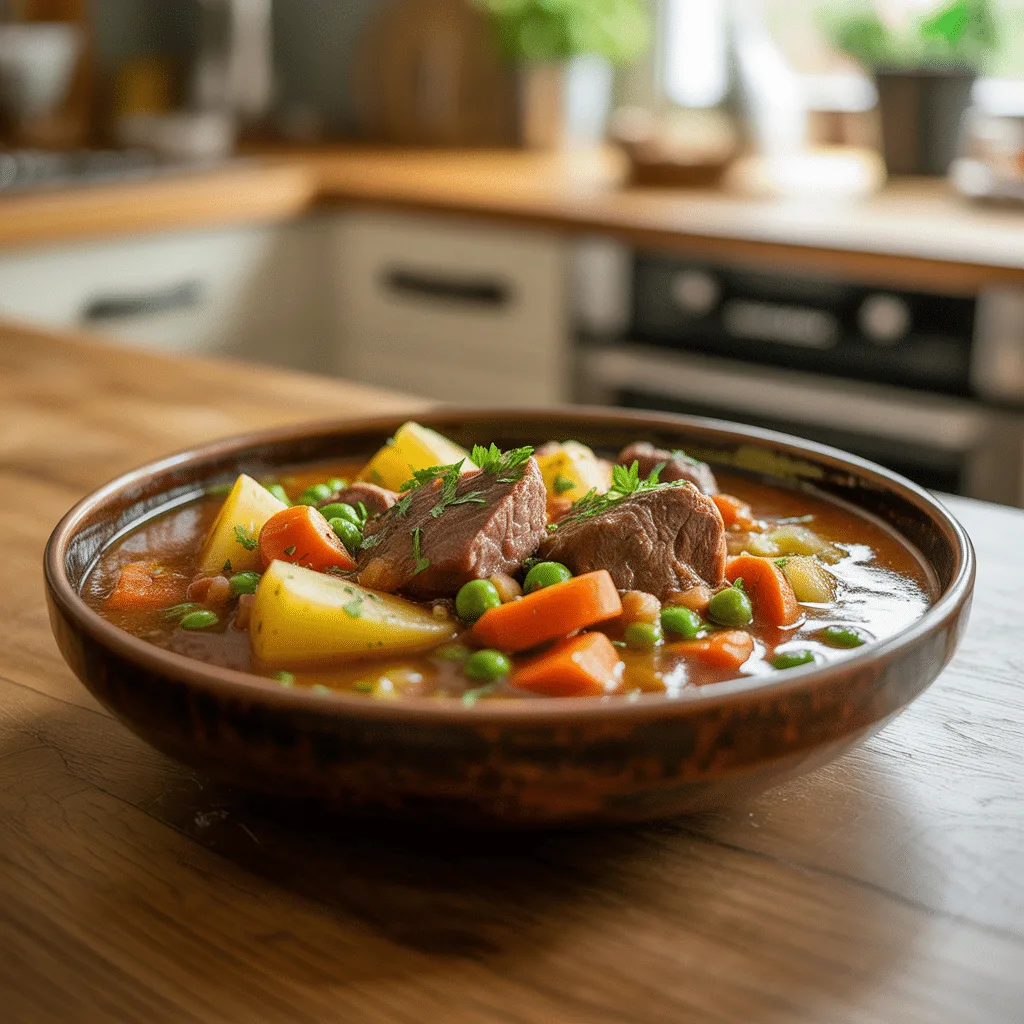
Let’s talk beef. You might be tempted to grab a pricey, lean cut like sirloin, but trust me on this one—for a stew that melts in your mouth, you want a cut that’s got some connective tissue. Those collagen-rich bits break down over the long, slow cook, transforming into the most incredible, silky tenderness and enriching the broth. My absolute go-to is chuck roast. It’s well-marbled, affordable, and practically made for the slow cooker. Other great options are beef brisket or boneless short ribs. Just steer clear of anything labeled ‘stew meat’ without knowing the cut; it can be a mystery mix that might not cook up as tender.
Tips for Perfectly Tender Beef Stew
Alright, let’s turn that tough cut into something magical. A few simple tricks make all the difference between good beef stew and the kind you’ll dream about. First, don’t skip browning the beef. I know it feels like an extra step, but searing those cubes in a hot pan creates a beautiful, flavorful crust that adds so much depth to the entire pot. Second, patience is your best friend. A true low-and-slow cook is non-negotiable. Give it the full 7-8 hours on low. Rushing it on high heat can make the beef tough. And finally, add your potatoes and carrots about halfway through. This keeps them from turning to complete mush while still soaking up all that incredible savory flavor. So, so comforting.
Variations & Substitutions
This recipe is wonderfully forgiving and easy to make your own. Got a picky eater? Leave out the mushrooms. Want to sneak in more veggies? Toss in a cup of frozen peas or green beans during the last 30 minutes of cooking. For a richer, deeper flavor without the wine, I love using a tablespoon of balsamic vinegar stirred into the broth. It gives that same tangy complexity. If you’re out of tomato paste, a quarter cup of ketchup works in a pinch. And for a gluten-free version, just swap the all-purpose flour for a 1:1 gluten-free blend or even cornstarch. Honestly, the best stew is the one that works for your family.
Storage & Reheating
This is one of those meals that might even be better the next day! Let the stew cool completely before storing it. It’ll keep in an airtight container in the fridge for 3-4 days. To freeze, portion it out and it’ll be good for up to 3 months. Thaw it overnight in the refrigerator before reheating. The best way to reheat is gently on the stovetop over medium-low heat, stirring occasionally until it’s heated through. You might need to add a splash of beef broth or water as it reheats to loosen it up a bit. A quick zap in the microwave works too, just stir it well halfway through.
Frequently Asked Questions
Can I make this Hearty Beef Stew in my Instant Pot? Absolutely! Use the sauté function to brown your beef and soften the veggies. Then add everything except the potatoes and carrots. Cook on high pressure for 35 minutes, let the pressure release naturally for 15 minutes, then quick release. Add your potatoes and carrots, then cook on high pressure for another 5 minutes.
Why is my beef still tough? It just needs more time. If the beef isn’t fork-tender after 8 hours, it likely wasn’t cooked long enough. This is common if the pieces were larger or your slow cooker runs a bit cool. Just let it keep cooking, checking every 30 minutes until it’s perfect.
Can I put raw beef in the slow cooker? You can, but for the best flavor and texture, browning it first is 100% worth the extra pan to wash.
Can I use frozen beef? For safety and best results, it’s always better to thaw your beef first. Cooking it from frozen can leave it in the ‘danger zone’ for temperature too long and it won’t brown properly.
